
An Update on the #StopKillingGames Movement
Every year, more games have the potential to disappear. Despite having already purchased it, there will always be the looming threat of a server getting shut down, a license expiring, and players losing access to games they owned. This is especially true for live service games, and it's why the Stop Killing Games movement was born.
It's important to understand what SKG actually wants: they're not demanding studios keep games online forever. Instead, they want game makers/publishers to plan for the end of a game's life responsibly and to ensure there's a reasonable technical solution so players can still access what they paid for, even after support ends.
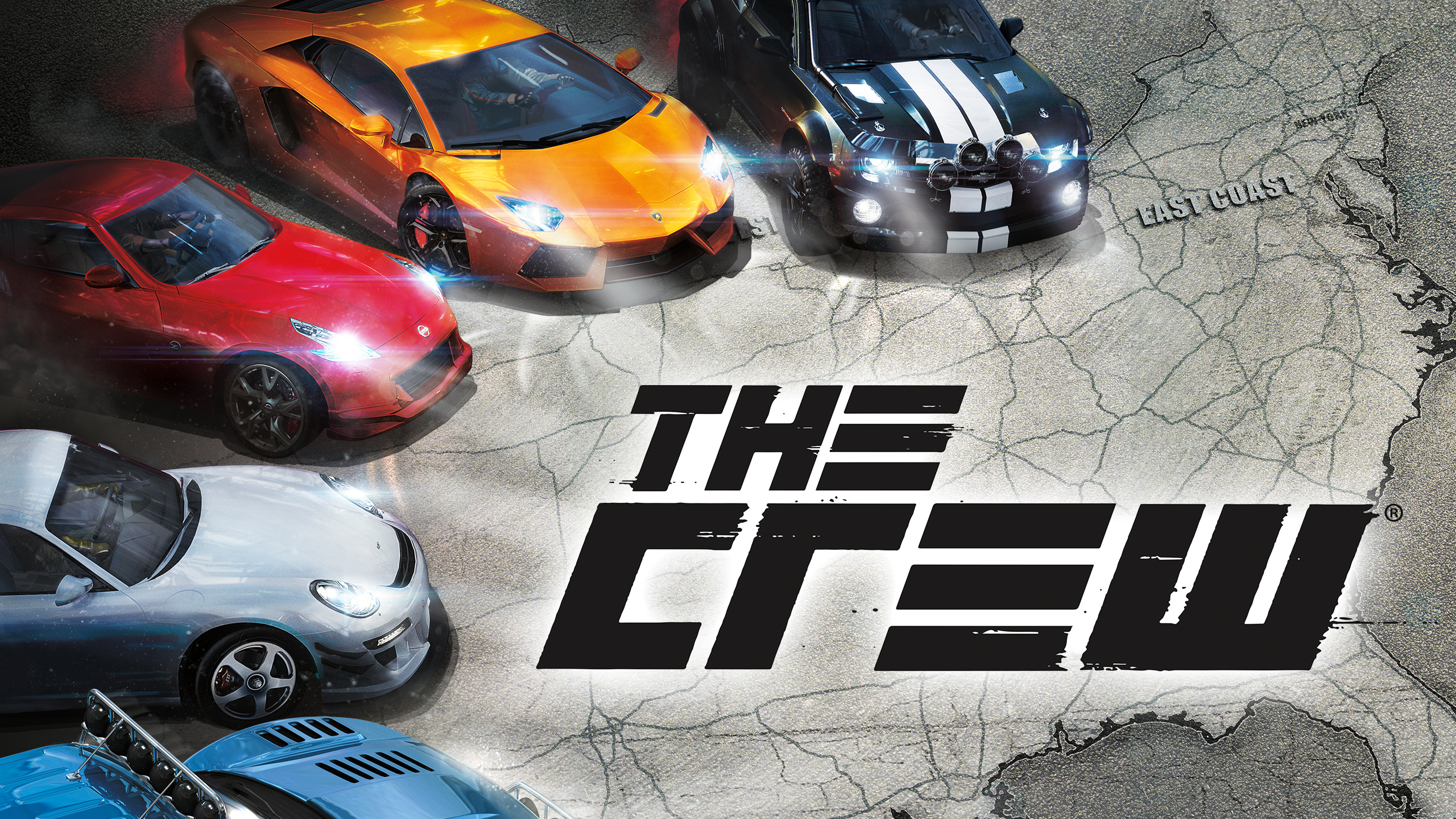
A history lesson - On March 31, 2024, Ubisoft shut down The Crew, a game that was originally promised to always be online. On April 1, players could no longer access it. This closure then ignited the #StopKillingGames movement, with Ross Scott leading as its founder. However, The Crew wasn't the only reason the movement started. Earlier closures of Darkspore (2016), Battleborn (2021), and Babylon's Fall (2023) had already sparked concerns among consumer advocates. The Crew's shutdown, however, was the tipping point.
And now, in the big year of 2026, the problem hasn't stopped. Studios keep shutting down games left and right. Just in January, BioWare shut off Anthem's servers after seven years, and Electronic Arts discontinued The Sims Mobile. Highguard went offline in March, just months after its release. Most recently, Call of Duty: Warzone Mobile also became inaccessible from April.
With game preservation as its core objective, SKG has garnered over 1 million petition-signers across the EU, making it a legitimate concern worthy of parliamentary discussion. The movement also hopes that the government will introduce legal protections for game consumers, and they’re currently focused on launching formal petitions, exploring class-action lawsuits, and engaging with lawmakers worldwide.
So what's new?
So far, SKG has tried multiple approaches: an EU Citizens' Initiative petition, a lawsuit against Ubisoft over The Crew's shutdown, and a successful UK parliament petition that actually got the government to listen. These efforts led to a meeting between Ubisoft's CEO and European officials just last June, and 45 EU parliament members even sent a letter demanding legislative action.
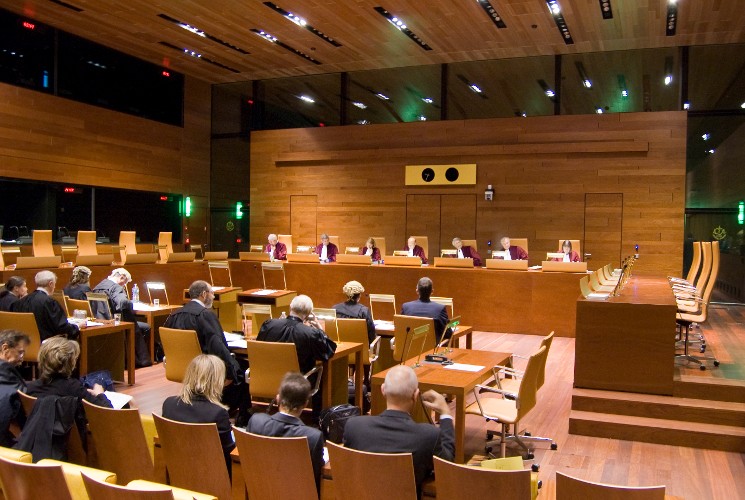
In their press release, the European Commission responded that they would create an industry code of conduct for managing games at end-of-life, developed with game industry and consumer representatives. They'll also work with consumer organizations to raise awareness about existing consumer rights. Before the end of the year, the Commission will report on how these rights are being enforced, noting that stronger enforcement could incentivize publishers to offer games with longer lifespans.
It’s not just the EU making a move. In the US, SKG helped the Protect Our Games Act pass California's Assembly in June, and now it's heading to the state senate. If it passes as a law, publishers would have to give advance notice before taking games released after January 2027 offline and provide a way for players to keep accessing them.
The Entertainment Software Association (ESA), representing major game publishers, opposes the bill. They argue that keeping old games online costs money and resources that could go to making new games instead. SKG counters that this is primarily a business decision and that publishers don't want people playing old games instead of buying new ones.
Overall, the #StopKillingGames movement keeps gaining momentum globally, with active efforts in both Europe and North America. Whether these efforts succeed or fail, they represent a significant shift in how players expect to interact with games they've spent money on.
What's your opinion on the SKG movement? Are you in support or opposition to its ideas? What solutions do you propose? Let us know!